







The culinary world is witnessing a significant shift as grain-free granola moves from a niche health food to a mainstream breakfast and snack staple. This innovative approach to a beloved classic, characterized by its exclusion of oats and other traditional grains, offers a sweet, nutty crunch reminiscent of conventional granola while catering to a diverse array of dietary needs and preferences. Its growing popularity underscores a broader trend towards carbohydrate-conscious and allergen-friendly eating patterns that are reshaping the food industry.
The Rise of Grain-Free: A Response to Evolving Dietary Needs
The concept of grain-free granola, initially met with perplexity by many accustomed to oat-based varieties, has gained considerable traction over the past decade. This shift is primarily driven by an increasing awareness of the impact of diet on health, spurred by scientific research, celebrity endorsements, and the personal experiences of millions. For many, adopting a grain-free lifestyle is not merely a fad but a necessary adjustment for managing specific health conditions or optimizing well-being.
One of the most prominent drivers is the increasing prevalence of gluten-related disorders. Celiac disease, an autoimmune condition triggered by gluten, necessitates a strict, lifelong avoidance of all grains containing gluten (wheat, barley, rye). Beyond celiac, a significant portion of the population experiences non-celiac gluten sensitivity (NCGS), where gluten consumption leads to digestive discomfort, fatigue, and other symptoms. For these individuals, grain-free options like specialized granola provide a crucial alternative that allows them to enjoy familiar foods without adverse effects.
Furthermore, the surge in popularity of low-carbohydrate diets such as the ketogenic (keto) and paleo diets has significantly contributed to the demand for grain-free products. The paleo diet emphasizes foods consumed by Stone Age ancestors, excluding grains, legumes, and processed foods. The keto diet, on the other hand, focuses on very low carbohydrate intake to induce a metabolic state of ketosis. In both frameworks, traditional oat-based granola, rich in carbohydrates, is typically excluded, making grain-free alternatives a highly sought-after commodity. These dietary approaches are often adopted for weight management, improved blood sugar control, and enhanced mental clarity, propelling the market for grain-free innovations.
Beyond these specific dietary protocols, a broader segment of the population is simply becoming more carbohydrate-conscious, seeking to reduce overall sugar and refined grain intake for general health and sustained energy levels. This mindful approach to nutrition frequently leads consumers to explore alternatives that are nutrient-dense yet lower in glycemic impact.
Nutritional Profile: A Powerhouse of Healthy Fats and Fiber
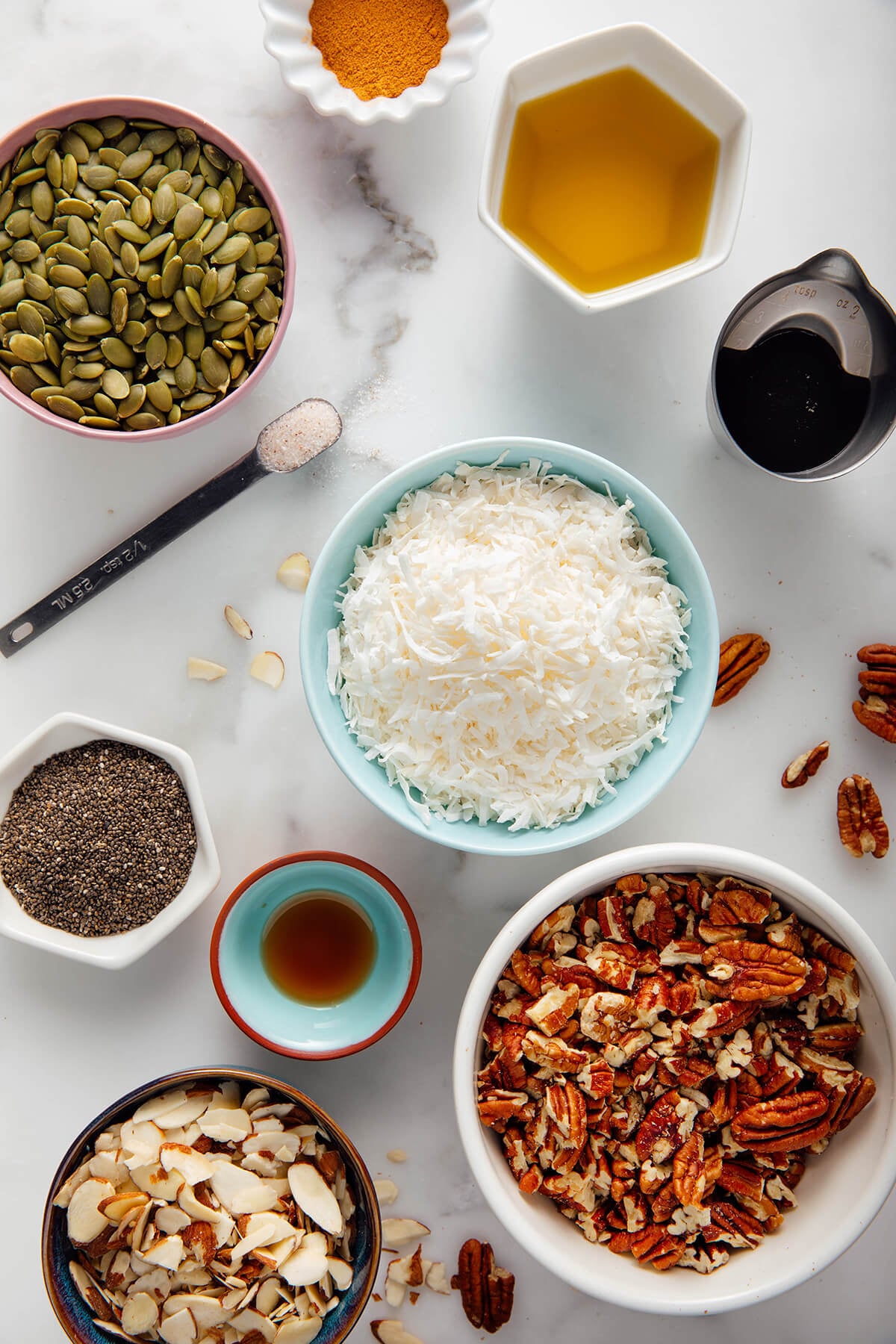
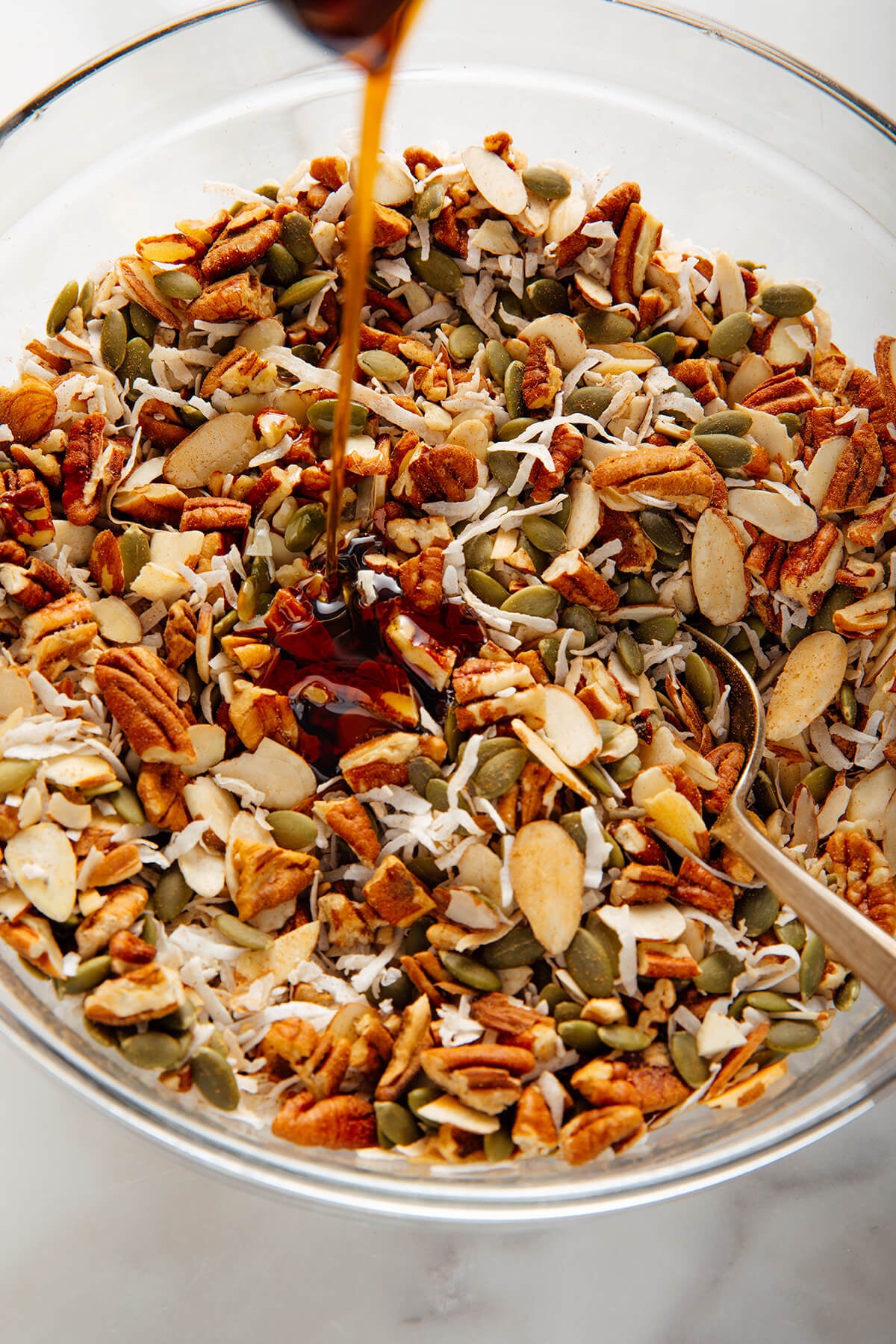
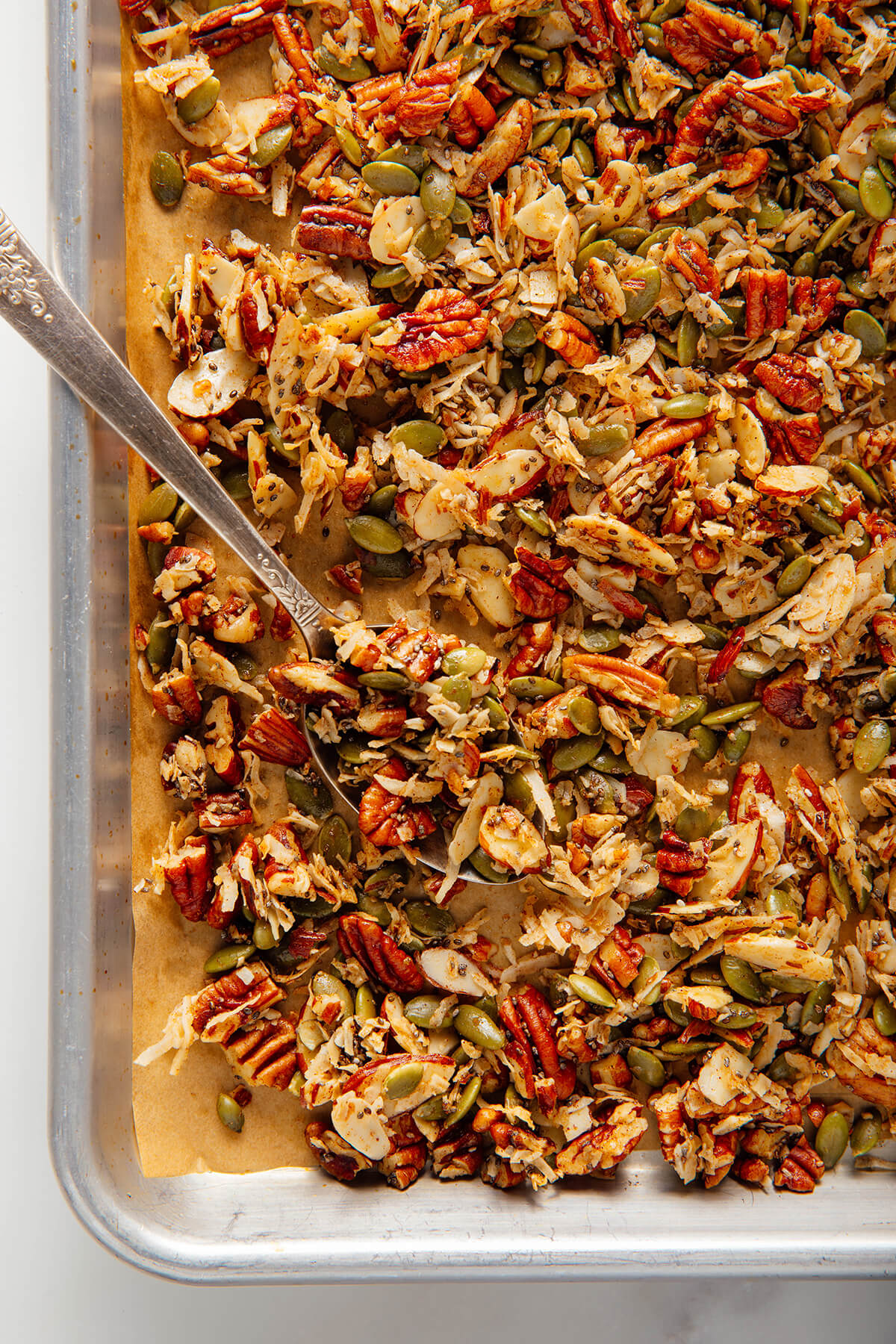
Unlike its oat-centric counterpart, grain-free granola typically relies on a rich blend of nuts, seeds, and dried coconut to achieve its characteristic texture and flavor. Common ingredients include almonds, pecans, walnuts, pumpkin seeds (pepitas), sunflower seeds, chia seeds, and flax seeds, often bound together with natural sweeteners like maple syrup or honey and healthy fats such as coconut oil.
This composition results in a distinctly different nutritional profile. Nuts and seeds are renowned for their high content of healthy monounsaturated and polyunsaturated fats, including omega-3 fatty acids, which are vital for heart health and brain function. They are also excellent sources of plant-based protein, contributing to satiety and muscle maintenance. Dietary fiber is another significant component, aiding digestion, promoting gut health, and helping to regulate blood sugar levels. Furthermore, these ingredients are packed with essential vitamins and minerals, including vitamin E, magnesium, zinc, and selenium. Coconut, particularly in its shredded form, adds healthy medium-chain triglycerides (MCTs) and additional fiber.
For individuals managing conditions like gestational diabetes, as highlighted in personal accounts, the carb-conscious nature of grain-free granola can be particularly beneficial. Gestational diabetes, a form of diabetes that develops during pregnancy, requires careful monitoring and management of blood sugar levels through diet and, in some cases, medication. By opting for a granola rich in healthy fats, protein, and fiber but lower in readily digestible carbohydrates, individuals can enjoy a satisfying breakfast or snack without triggering sharp spikes in blood glucose. Dietitians, such as Lily Nichols, author of "Real Food for Pregnancy," advocate for such whole-food, carb-conscious approaches to support maternal and fetal health during pregnancy. Her work exemplifies the expert guidance driving informed dietary choices in this sphere.
Market Dynamics and Consumer Trends
The burgeoning demand for grain-free options has not gone unnoticed by the food industry. Market research indicates a consistent upward trajectory in the "free-from" food sector, with grain-free and gluten-free products leading much of this growth. Major food manufacturers and artisanal producers alike are investing in research and development to create appealing and nutritious grain-free granolas, cereals, and snack bars.
Consumers are increasingly discerning, seeking products that are not only free from specific allergens or grains but also minimally processed, naturally sweetened, and made with high-quality ingredients. This emphasis on "clean eating" and transparency in food labeling aligns perfectly with the ethos behind many grain-free granola formulations, which often feature simple, recognizable ingredients. The convenience factor also plays a crucial role; ready-to-eat grain-free granola offers a quick and healthy option for busy individuals and families, serving as a versatile component of breakfast, a mid-day snack, or even a dessert topping.
The retail landscape reflects this trend, with grain-free granolas now readily available in mainstream supermarkets, specialty health food stores, and online platforms. The variety has expanded beyond basic nut and seed blends to include diverse flavor profiles, from cinnamon-spiced to cocoa-infused, catering to a wide range of palates.
Innovation in Preparation and Serving
The adaptability of grain-free granola is one of its key strengths, making it a versatile kitchen staple for both home cooks and culinary professionals. Recipes, often inspired by expert dietitians, provide a blueprint for crafting customized blends that cater to individual preferences and pantry availability.
Core Ingredients and Customization:
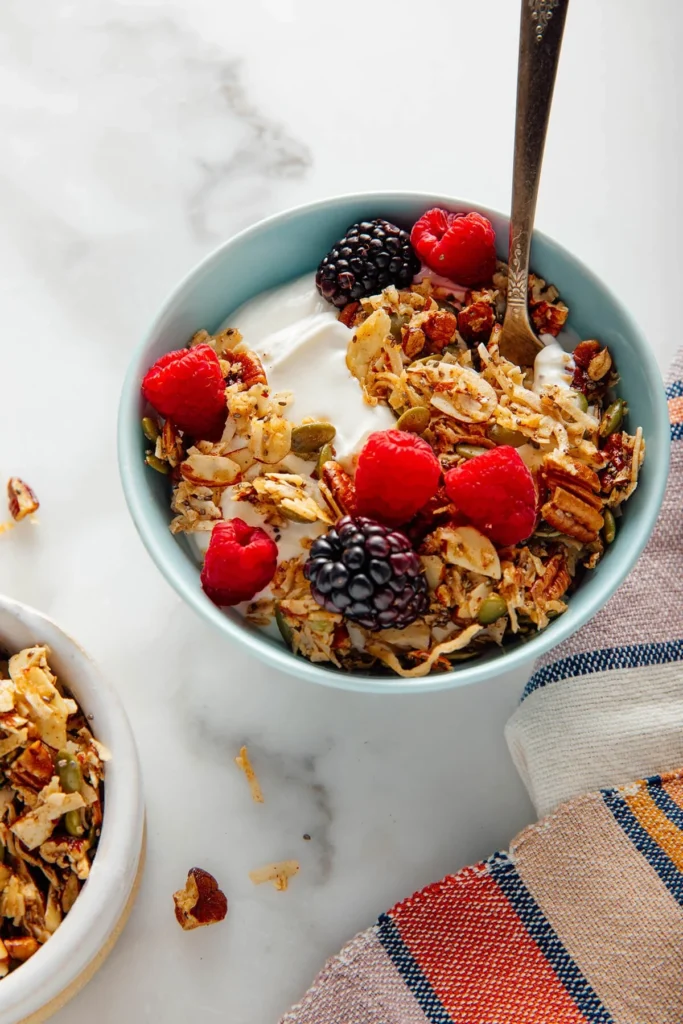
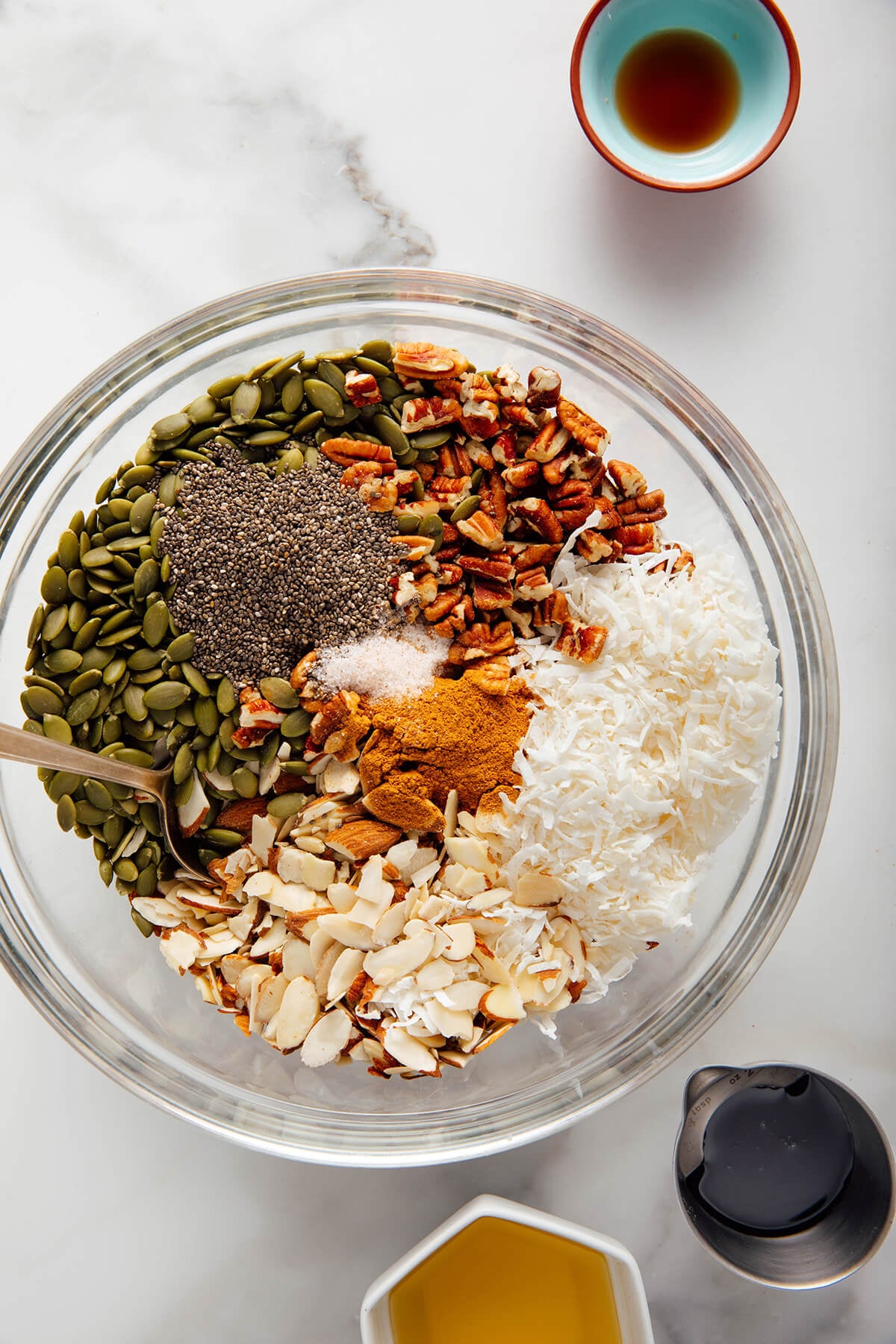
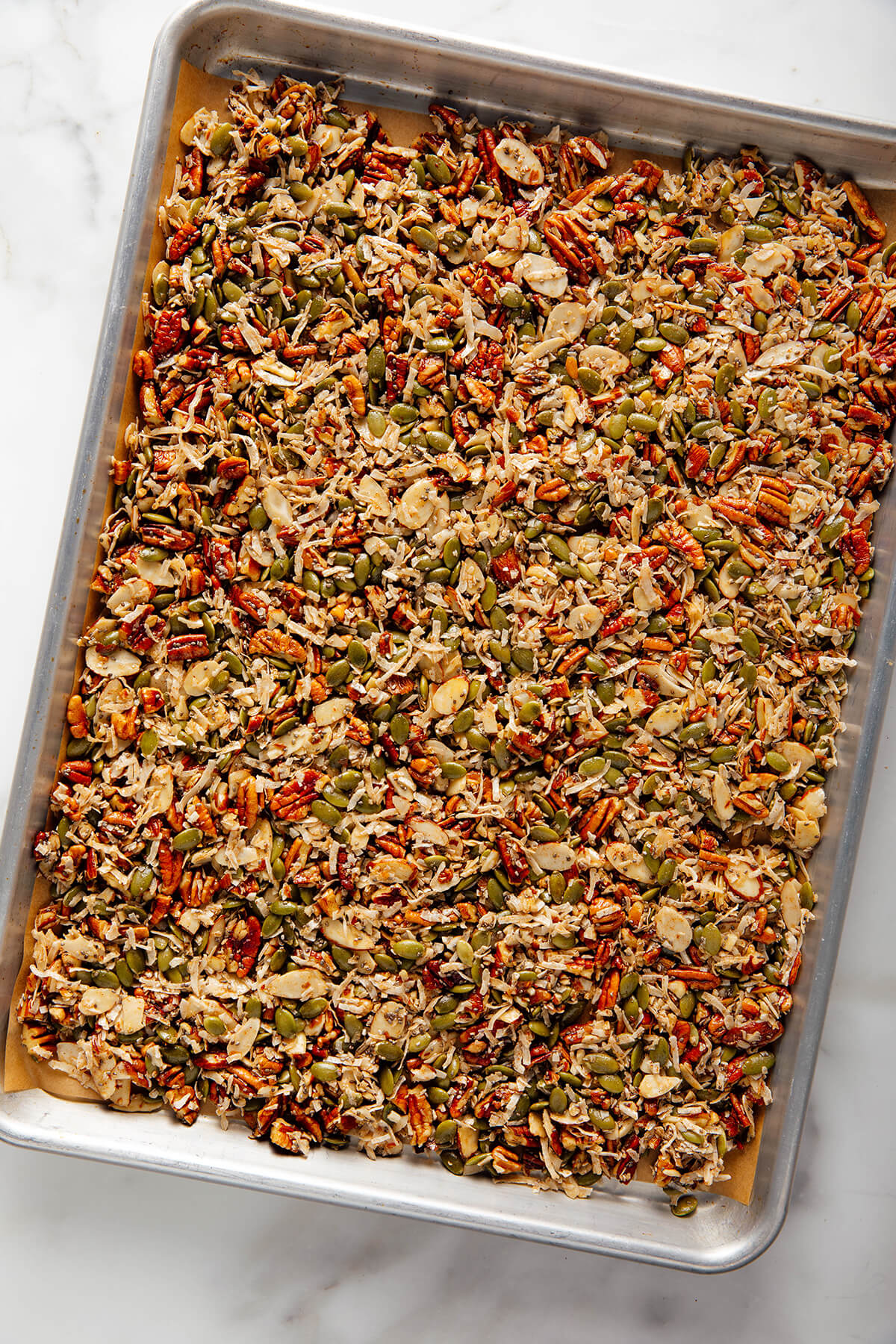
A typical grain-free granola recipe might include a base of sliced almonds, chopped pecans, and finely shredded coconut, combined with smaller seeds like pepitas and sunflower seeds. The binding agent often consists of a mix of maple syrup (a vegan-friendly option) or honey, coconut oil, and a pinch of salt, sometimes enhanced with spices like cinnamon or vanilla extract.
Substitution and Flavoring Options:
- Nut Varieties: The nut base is highly interchangeable. Walnuts, cashews, or even macadamia nuts can be incorporated or substituted. Larger nuts typically require chopping to ensure even roasting and texture.
- Coconut Preference: While finely shredded coconut provides a light, crackly texture, larger flakes can be used for a chewier consistency. For those who dislike coconut, an equivalent volume of additional nuts or seeds can be used. Conversely, coconut enthusiasts can increase the amount of coconut, adjusting other ingredients accordingly.
- Seed Boost: Optional additions like chia or flax seeds offer a significant nutritional boost, particularly in omega-3 fatty acids and fiber. Chia seeds are more noticeable texturally, while ground flax seeds tend to blend in seamlessly.
- Spice Variations: Cinnamon is a classic choice, but the flavor profile can be easily altered. Seasonal spices like pumpkin spice blend, nutmeg, or cardamom can transform the granola into an autumnal or festive treat. A touch of ginger or a hint of citrus zest can also add intriguing complexity.
- Sweetener Adjustments: While maple syrup and honey are common, other liquid sweeteners like agave nectar can be used. The amount of sweetener can be adjusted based on personal preference for sweetness and carbohydrate goals.
- Add-ins Post-Baking: Dried fruits such as cranberries, raisins, or chopped apricots, and chocolate chips or cacao nibs, are often stirred in after the granola has cooled to prevent burning and maintain their texture.
Serving Versatility:
Grain-free granola excels in its versatility, offering a textural and nutritional boost to a variety of dishes:
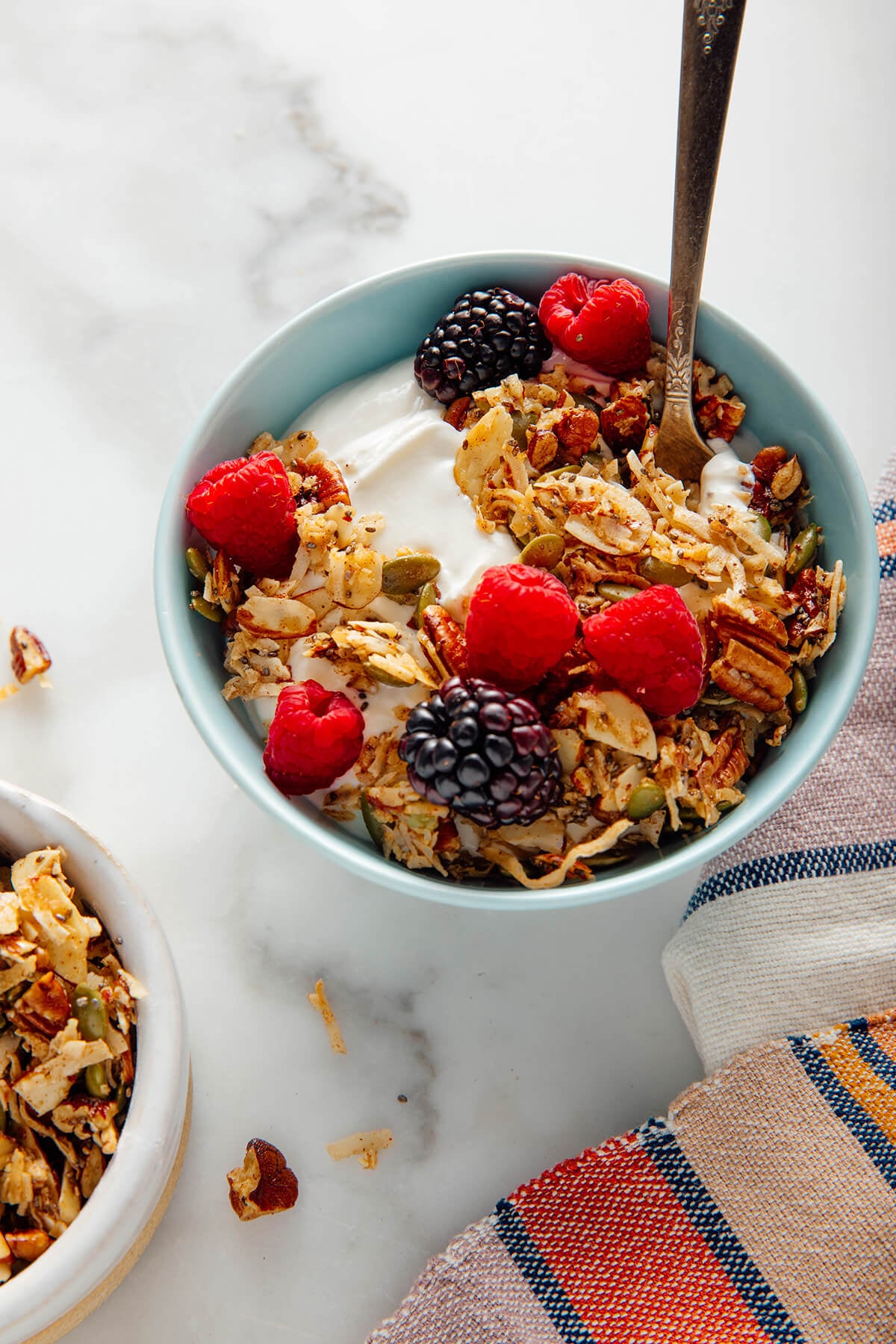
- Yogurt Parfaits: Layered with Greek yogurt or plant-based yogurts, fresh berries, and a drizzle of honey or maple syrup, it creates a satisfying and nutrient-dense breakfast.
- Smoothie Bowls: A generous sprinkle over a vibrant smoothie bowl adds crunch and visual appeal.
- Fruit Topping: Enhances plain or baked fruit, such as sliced apples with nut butter or roasted pears.
- Salad Component: Surprisingly, savory versions or lightly sweetened granola can add an interesting crunch to salads.
- Snack on its Own: A handful of grain-free granola provides a quick energy boost.
- Dessert Garnish: Used as a topping for dairy-free ice cream, puddings, or baked goods.
Crafting the Perfect Batch: Expert Tips
Achieving the ideal grain-free granola involves attention to a few key details:
- Ingredient Freshness: Nuts and seeds can become rancid over time, imparting an off-flavor. Always ensure all ingredients smell and taste fresh before use.
- Even Chopping: For larger nuts like pecans, uniform chopping ensures even roasting and a consistent texture throughout the batch. Pre-chopped nuts can save preparation time.
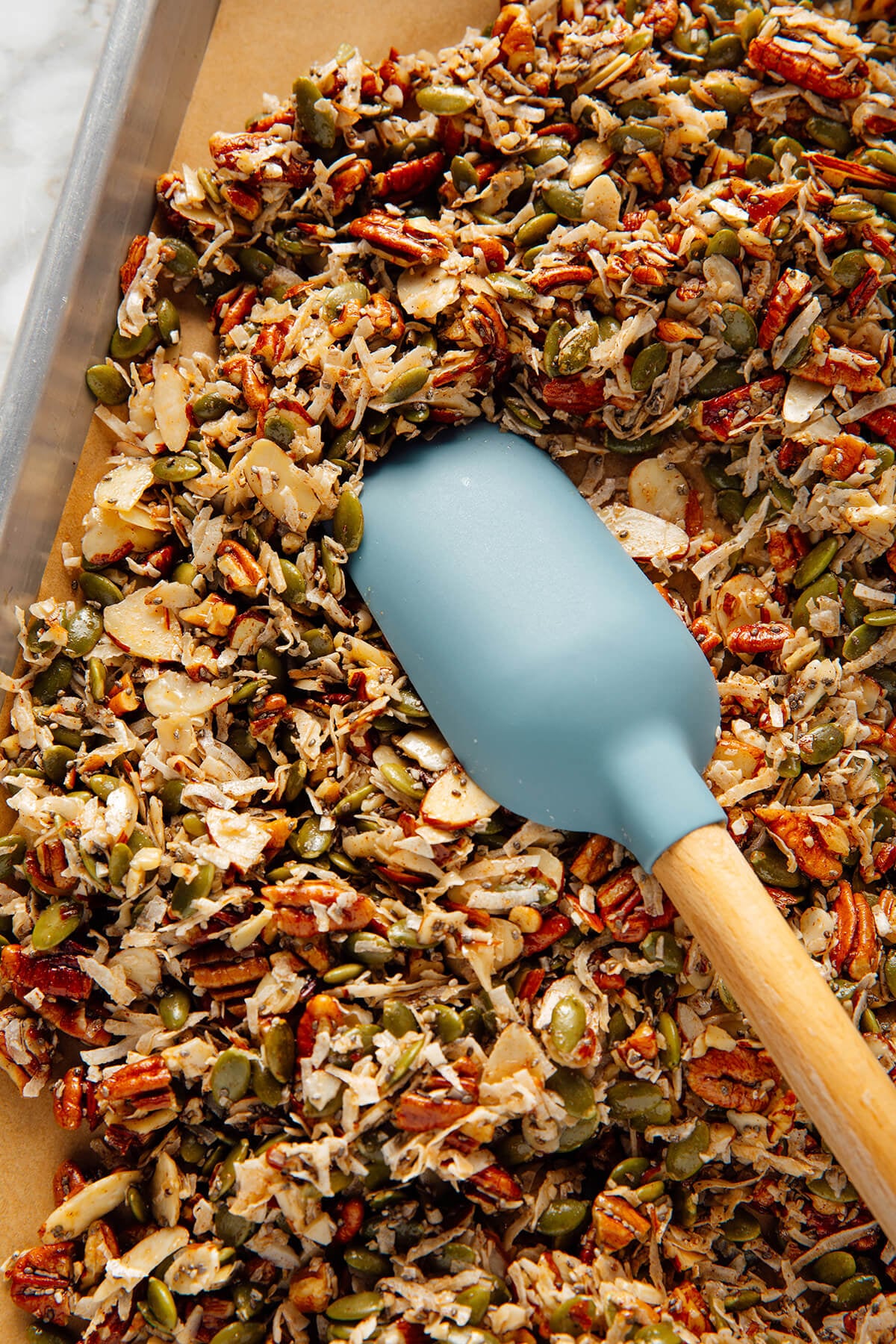
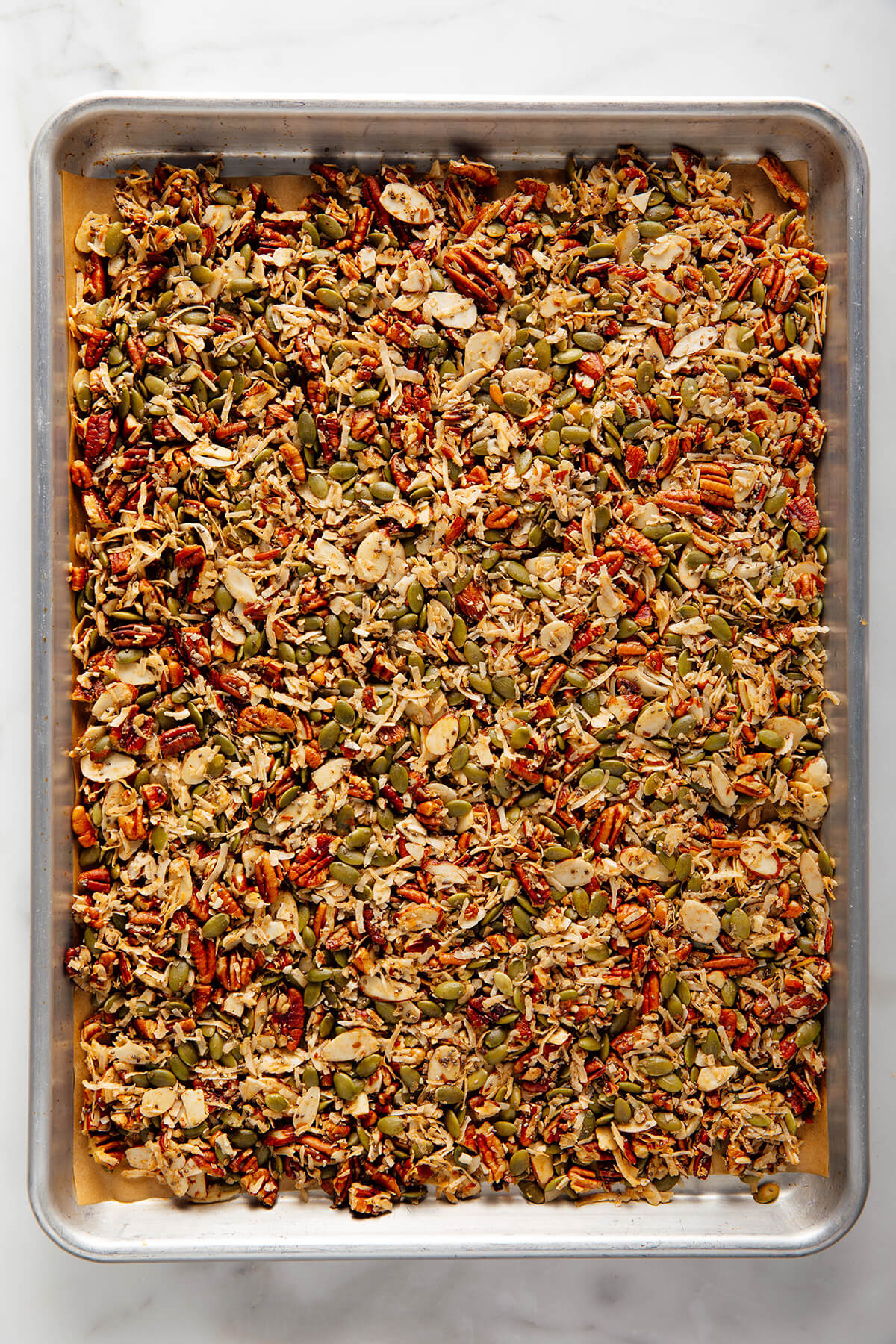
- Cooling for Clumps: To achieve desirable clusters or "clumps," it is crucial to allow the granola to cool completely and undisturbed on the baking sheet after removal from the oven. Disturbing it while warm can prevent the formation of these clumps.
- Baking Temperature and Time: A moderate oven temperature and careful monitoring are essential to prevent burning, particularly with delicate ingredients like coconut and nuts. Stirring halfway through the baking process ensures even browning.
Broader Impact and Future Outlook
The trajectory of grain-free granola is indicative of a larger paradigm shift in consumer food choices and the food industry’s response. It represents a successful adaptation of a traditional food item to meet contemporary health demands and dietary philosophies. This evolution is driven by a combination of medical necessity, personal wellness goals, and an increasing desire for whole, unprocessed foods.
The sustained growth of the grain-free market segment suggests that this is not a transient trend. As scientific understanding of nutrition continues to advance, and as consumers become more empowered to make informed dietary decisions, the demand for innovative, health-aligned products will only intensify. Grain-free granola, in its various forms, is poised to remain a significant player in the breakfast and snack categories, inspiring further innovation in the realm of alternative grains and nutrient-dense foods. Its journey from a specialized dietary item to a widely embraced staple highlights the dynamic and responsive nature of the modern food landscape, continually adapting to foster healthier and more inclusive eating experiences.